

Hear from Our Customers
You’ve noticed the musty smell in your basement. Maybe someone in your house can’t stop coughing. Or you’re dealing with water damage and wondering what comes next.
Here’s what matters: mold doesn’t wait. In Pennsylvania’s humid climate, it can establish itself within 24 to 48 hours after moisture exposure. By the time you see visible growth, spores are already circulating through your HVAC system and settling into places you can’t reach.
Professional mold testing tells you exactly what you’re dealing with before it becomes a bigger problem. You get a clear picture of contamination levels, mold types, and where moisture is hiding. That means you can make informed decisions about your home instead of reacting to symptoms or guessing at solutions.
The difference between early detection and waiting? Thousands of dollars. And peace of mind knowing your family isn’t breathing in something that’s making them sick.
We serve homeowners throughout Bucks County with certified mold inspection and testing services. Our team understands what Pennsylvania’s climate does to homes here—the humid summers, the temperature swings, the older housing stock that wasn’t built with today’s moisture barriers.
We’ve inspected hundreds of properties in Fallsington and surrounding areas. We know where mold hides in Colonial-era homes with stone foundations. We know how modern HVAC systems can spread contamination when humidity levels spike above 70% in July and August.
You’re not getting a national franchise following a script. You’re getting local inspectors who’ve seen what happens to homes in this specific area and know how to find problems before they cost you serious money.
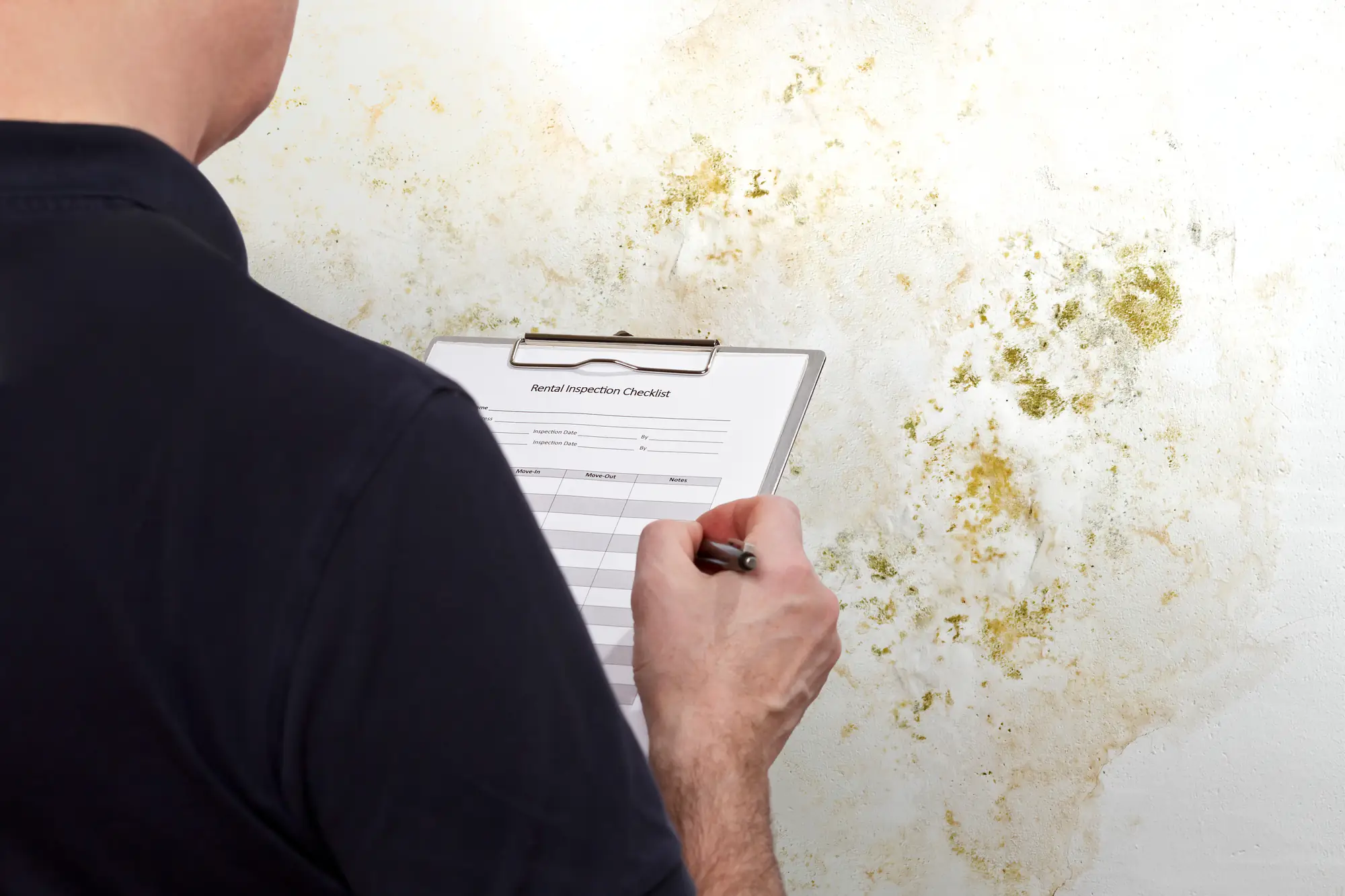
First, we walk through your home and talk about what you’ve noticed—odors, visible growth, recent water damage, health symptoms. This conversation matters because it tells us where to focus.
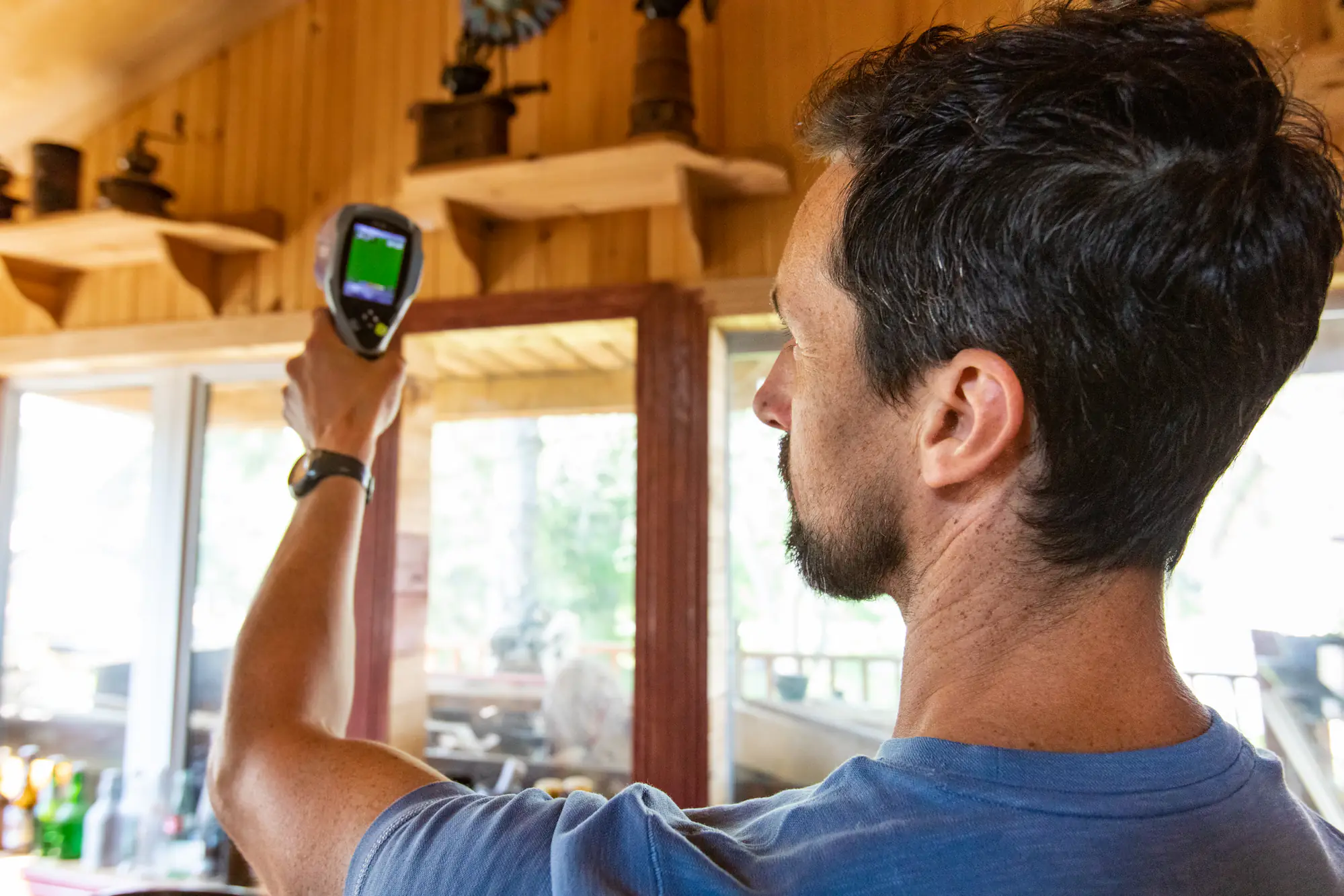
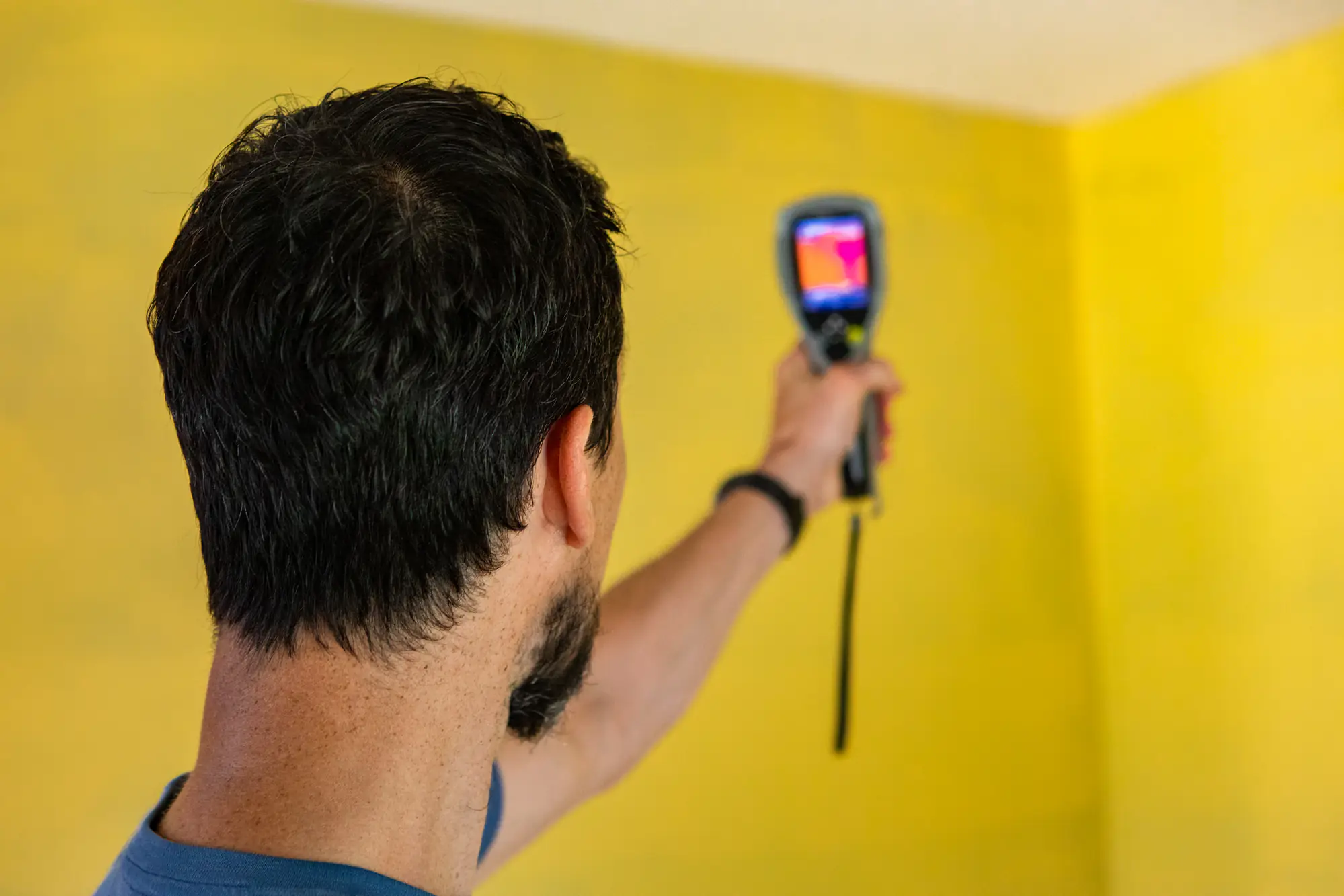
Then we conduct a comprehensive visual inspection. We’re checking basements, crawl spaces, attics, behind appliances, around windows, inside HVAC systems—anywhere moisture accumulates. We use moisture meters to measure water content in walls, floors, and ceilings. Thermal imaging helps us spot temperature differences that indicate hidden moisture or poor ventilation.
When we find suspected mold or elevated moisture levels, we collect air samples and surface samples. These go to an independent lab for analysis. You get a detailed report that identifies mold species, spore concentrations, and contamination levels compared to outdoor baselines.
The whole process typically takes two to three hours depending on your home’s size. Within a few days, you have lab results and a clear explanation of what they mean. If there’s a problem, we tell you how serious it is and what your options are. If your home tests clean, you have documentation proving it.
Ready to get started?
Every mold testing service includes a thorough visual assessment of your entire property. We’re looking at structural areas, mechanical systems, and anywhere water or humidity creates risk. You get moisture mapping that shows exactly where problems exist or might develop.
We use professional-grade equipment—not hardware store moisture meters. That means accurate readings on wood moisture content, relative humidity levels, and temperature variations that indicate ventilation issues. Thermal imaging reveals what’s happening inside walls without tearing anything apart.
Air quality sampling captures what you’re actually breathing. Surface samples identify specific mold types growing in your home. All samples are analyzed by certified laboratories, and you receive detailed reports with clear explanations.
This matters in Fallsington because homes here face specific challenges. Older properties often have stone foundations that wick moisture. Newer construction can trap humidity if builders didn’t account for Pennsylvania’s climate. Summer humidity regularly exceeds 70%, creating ideal conditions for rapid mold growth. Our testing accounts for these local factors and gives you location-specific insights, not generic assessments.
Most residential mold testing in Fallsington runs between $300 and $600 depending on your home’s size and how many samples we need to collect. A typical single-family home with a basement usually falls in the $400 to $500 range.
That price includes the on-site inspection, moisture detection, sample collection, laboratory analysis, and a detailed report explaining results. If you only need testing in one specific area—like a bathroom after a leak—costs are lower. Larger homes or properties with multiple suspected contamination sites cost more because we’re collecting additional samples.
Here’s what affects pricing: square footage, number of samples needed, accessibility of areas we need to inspect, and whether you need rush lab processing. Some testing companies charge separately for the inspection and each sample. We give you upfront pricing so you know exactly what you’re paying before we start.
You can buy DIY mold test kits at hardware stores for $10 to $50, but they won’t tell you what professional testing reveals. Those kits typically just confirm that mold exists—which isn’t useful because mold exists in every home. What matters is the type of mold, the concentration levels, and where it’s growing.
Professional mold testing identifies specific species. That’s critical because some molds are relatively harmless while others cause serious health reactions or indicate major moisture problems. Lab analysis measures spore concentrations and compares them to outdoor baseline levels, showing whether your indoor air quality is actually compromised.
The bigger issue is that DIY kits can’t find hidden mold. We use moisture meters and thermal imaging to detect problems inside walls, under flooring, and in other concealed spaces. We know where mold typically grows in Bucks County homes based on local construction methods and climate patterns. A $30 test kit sitting on your kitchen counter doesn’t give you that information. If you’re dealing with health symptoms, preparing for a real estate transaction, or following up after water damage, professional testing is worth the investment.
Standard mold test results typically come back from the lab in three to five business days. Rush processing is available if you need results faster—usually within 24 to 48 hours—but that costs extra.
The timeline starts after we collect samples during your inspection. We send them to a certified laboratory where technicians culture the samples and identify mold species using microscopy and other analysis methods. They’re measuring spore counts, identifying specific types of mold, and comparing your indoor levels to outdoor baselines.
Once we receive lab results, we review them and prepare a detailed report explaining what everything means. You’re not just getting raw data—you’re getting an interpretation that tells you whether you have a problem, how serious it is, and what you should do next. We walk you through the findings so you understand exactly what’s happening in your home. If results show elevated mold levels or problematic species, we discuss your remediation options. If your home tests clean, you have documentation proving your air quality is fine.
The most obvious sign is visible mold growth—dark spots on walls, fuzzy growth on basement surfaces, discoloration around windows or on ceilings. But you should consider testing even when you don’t see anything if you’re experiencing other warning signs.
Musty odors are a red flag. That earthy, damp smell means mold is actively growing somewhere even if you can’t see it. Persistent health symptoms like sneezing, coughing, congestion, eye irritation, or worsening asthma—especially if they improve when you leave the house—often indicate mold exposure.
Recent water damage is another major reason to test. If you’ve had a burst pipe, roof leak, flooding, or even just persistent condensation problems, mold can establish itself within 24 to 48 hours. Even if you dried everything quickly, testing confirms whether spores took hold in hidden areas. High humidity is common in Fallsington during summer months, and if your basement or crawl space stays damp, you’re creating ideal conditions for growth. Testing before you have visible problems lets you address moisture issues before they turn into expensive remediation projects.
It depends on what caused the mold. Most homeowners insurance policies in Pennsylvania cover mold remediation if it resulted from a sudden, accidental event like a burst pipe or storm damage. If your washing machine hose breaks and floods your basement, and mold grows as a result, that’s typically covered.
What insurance usually doesn’t cover is mold from long-term maintenance issues or neglect. If your bathroom has been leaking slowly for months and you didn’t fix it, or if your basement has chronic humidity problems you ignored, insurance will likely deny the claim. They expect you to maintain your home and address moisture problems promptly.
Mold testing itself often isn’t covered unless it’s part of documenting a covered claim. But the cost of testing—a few hundred dollars—is minor compared to remediation costs that can run into thousands. Getting tested helps you catch problems early when they’re cheaper to fix. If you’re filing an insurance claim for water damage, professional mold testing provides documentation showing the extent of contamination and supports your claim. Always review your specific policy or talk to your insurance agent about your coverage before assuming anything is covered.
A mold inspection is the visual assessment where we walk through your property looking for visible mold, moisture problems, water damage, and conditions that promote mold growth. We use moisture meters and thermal imaging to find hidden issues. An inspection tells you where problems exist and how serious they appear.
Mold testing goes further by collecting actual samples—air samples that measure spore concentrations you’re breathing, and surface samples from suspected growth areas. Those samples go to a lab for analysis that identifies specific mold species and measures contamination levels. Testing gives you scientific data about what’s in your home.
You don’t always need both. If you have obvious mold growth, you might not need testing to confirm it exists—you need remediation. But testing is valuable when you smell mold but can’t find it, when you’re experiencing health symptoms without visible growth, after water damage to confirm whether mold developed, or during real estate transactions. In Fallsington’s humid climate where mold can hide in basements, crawl spaces, and behind walls in older homes, combining inspection with testing gives you the complete picture. We recommend what makes sense for your specific situation instead of pushing services you don’t need.
Other Services we provide in Fallsington